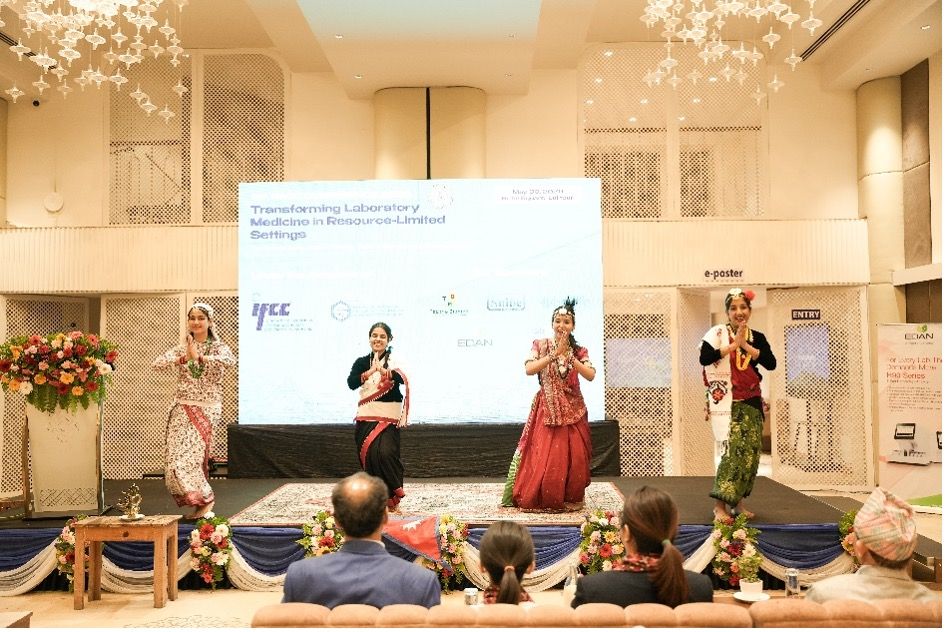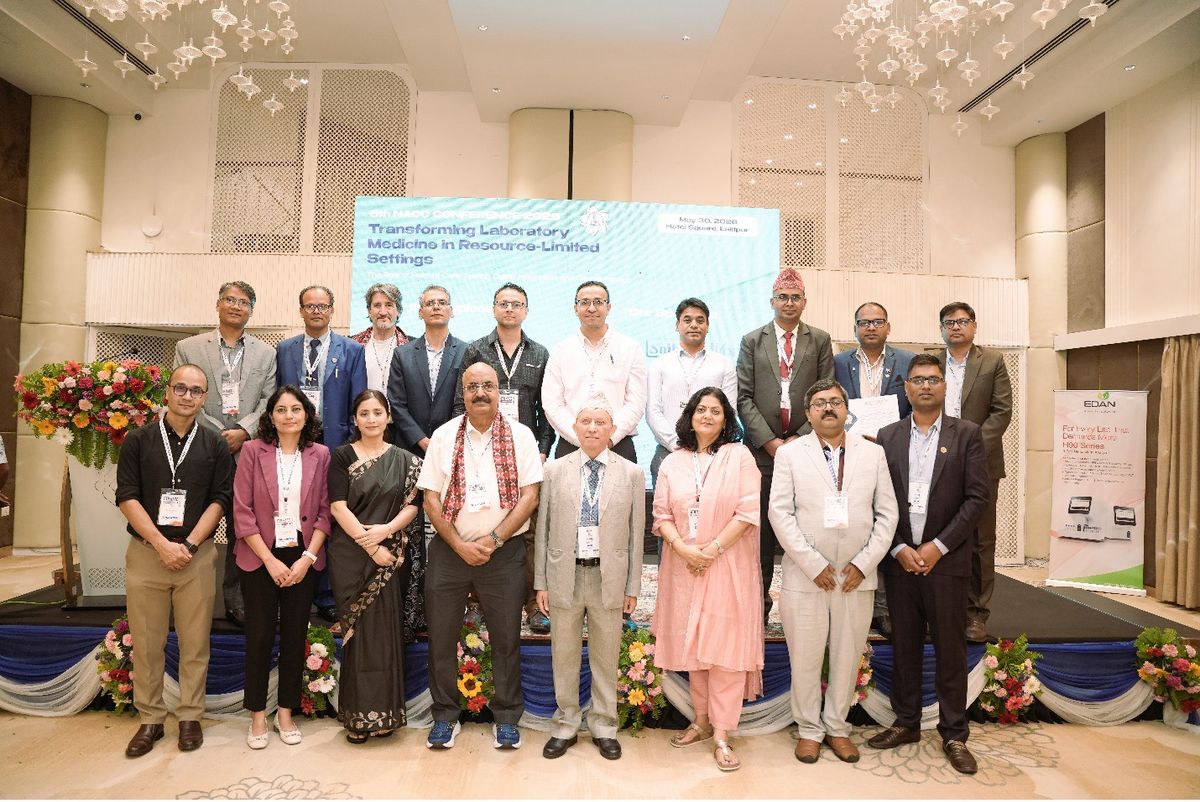
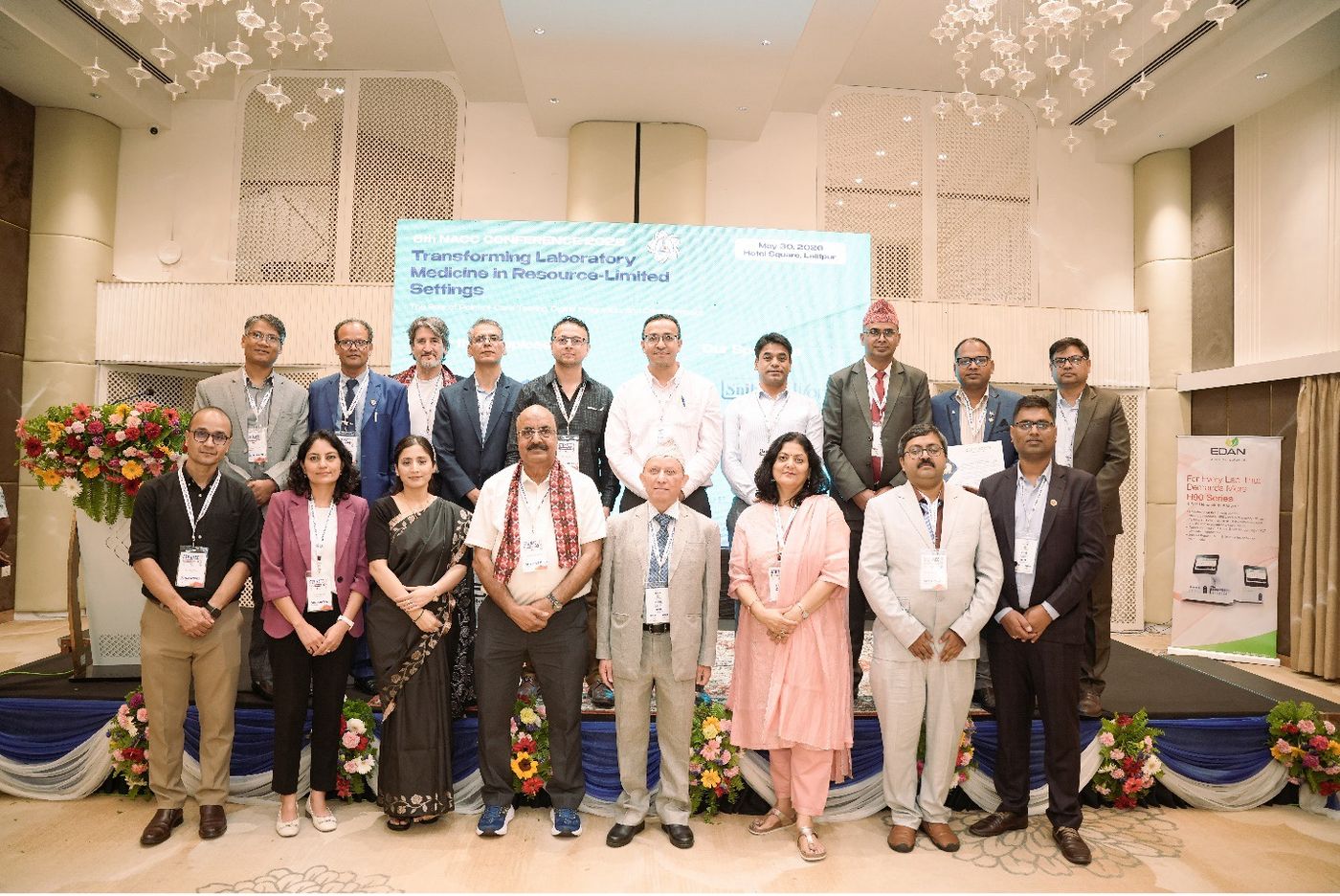
The 6th Annual NACC Congress was successfully held on May 30–31, 2026, at the Square Hotel in Lalitpur, Nepal. Held under the auspices of IFCC and the APFCB, the event gathered leading faculties, clinical biochemists, researchers, and young scientist across Nepal.
Congress Theme and Focus
This year’s congress centered on the theme: "Transforming Laboratory Medicine in Resource-Limited Settings: The Role of Point-of-Care Testing (POCT), Digital Integration, and Clinical Impact." The sessions highlighted practical frameworks to upgrade diagnostic capacities in Nepal's remote and rural healthcare facilities.
Inaugural Ceremony and Keynote Addresses
The congress was inaugurated by the Chief Guest, Hon'ble Dr. Ojaswee Sherchand, Chair of the Education, Health and Information Technology Committee, Federal Parliamentary Committee, who emphasized the crucial role of Biochemistry in diagnosis, treatment, and disease monitoring. NACC President Prof. Dr. Madhab Lamsal welcomed the delegates and highlighted the changing landscape of laboratory diagnostics in Nepal, stressing that integrating digital solutions and automated workflows is an urgent necessity to reduce diagnostic errors and improve clinical outcomes nationwide.
Scientific Program Highlights
The 6th Annual NACC Congress featured a robust scientific program spanning cutting-edge topics in molecular diagnostics, artificial intelligence, and digital health integration, delivered by distinguished national and international experts.
- Genetic Testing and Molecular Diagnostics
Dr. Orland Díez Gibert delivered a keynote on "Genetic testing for Hereditary Cancer in Resource-Limited Settings," examining how point-of-care testing and digital integration can expand access to genetic screening in regions with limited laboratory infrastructure. Dr. Jay Prakash Sah followed with a presentation on "Rapid Molecular Diagnosis," highlighting its role in enhancing clinical decision-making and patient outcomes, particularly in acute care settings where timely diagnosis is critical.
- Emerging Biomarkers and Therapeutics
Dr. Kul Raj Rai presented on "Non-Coding RNAs and ncRNA-Encoded Micro peptides," exploring the emerging potential roles of these molecules in both diagnostics and therapeutics. This session underscored the growing importance of RNA-based biomarkers in laboratory medicine and their potential for translation into clinical practice.
- Artificial Intelligence in Laboratory Medicine
Dr. Anirban Ganguly delivered a forward-looking presentation on the "Applications of AI in Clinical Biochemistry Lab," examining how machine learning algorithms can enhance diagnostic accuracy, streamline workflow automation, and support clinical decision-making. This session addressed the growing intersection of computational approaches and laboratory medicine, reflecting global trends in the field.
- Digital Integration and Point-of-Care Testing
Dr. Rajiv R. Sinha presented on "Connecting Care: Digital Infrastructure and POCT Redefining Lab Medicine," emphasizing the transformative potential of digital health solutions in bridging diagnostic gaps in resource-limited settings. The presentation highlighted practical frameworks for integrating point-of-care testing with digital health records to enable real-time clinical interventions.
- Oral and Poster Presentations
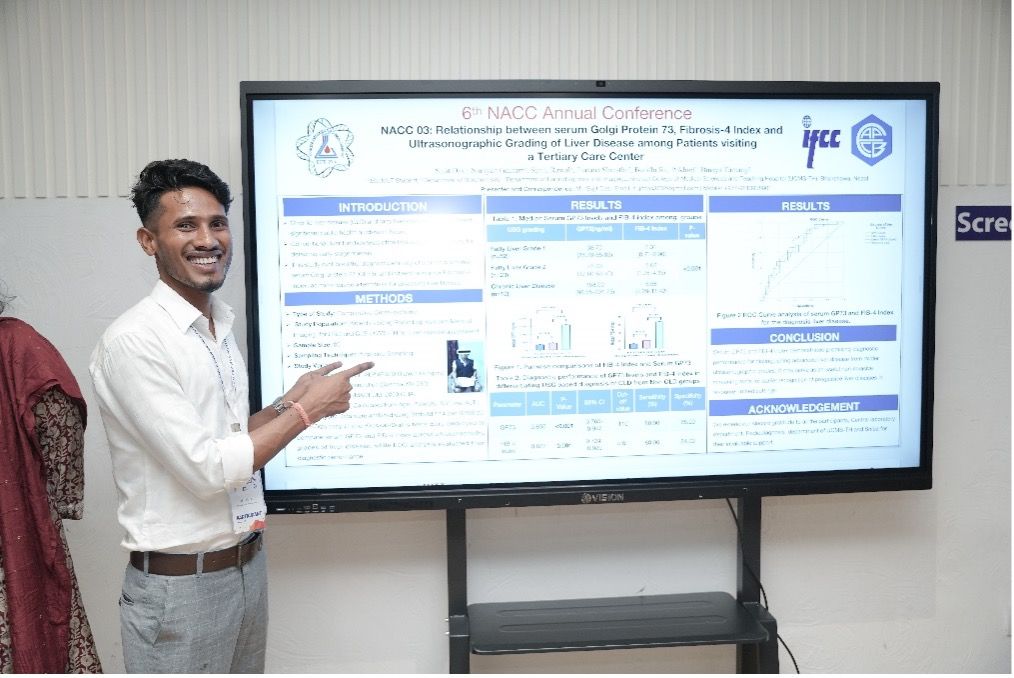
The scientific program also featured oral presentations from early-career researchers, covering topics including diagnostic test evaluation and validation by Dr. Ashok Joshi, alongside original research presentations from young scientists competing for travel grants generously sponsored by Techno Biomed. A dedicated digital poster session with 26 presentations provided additional opportunities for knowledge exchange and networking.
- Corporate Scientific Sessions
Technology partners including Techno Biomed Pvt Ltd, Snibe Diagnostic, Wondfo Biotech, Edan and Lab Line Traders contributed to the scientific discourse through corporate sessions highlighting innovations in diagnostic technologies and their applications in laboratory medicine.
Awards and Recognition
A key focus of the congress was fostering young scientists. The congress awarded travel grants and recognized outstanding research. The winners were:
- Oral Presentation: Mr. Narayan Gautam (Universal College of Medical Science)
- Poster Presentations: Mr. Pritam Singh Sunwar (Institute of Medicine), Ms. Laxmi Poudel (Universal College of Medical Science), and Ms. Banjita Neupane (Kathmandu University School of Medicine)
- Techno Biomed Travel Grants: Mr. Sujit Das and Ms. Kusum Chhetri (Universal College of Medical Science).
Policy Advocacy and New Executive Board
A significant outcome of the congress was the advocacy for the professional rights and official recognition of Clinical Biochemistry graduates in Nepal's public and private healthcare hierarchies. The congress concluded with the election of a new Executive Board for NACC. Prof. Dr. Prabodh Risal was elected as the new President, succeeding Prof. Dr. Madhab Lamsal. The new board members are as follow-
PRESIDENT
Prof. Dr. Prabodh Risal
IMMEDIATE PAST PRESIDENT
Prof. Dr. Madhab Lamsal
SENIOR VICE PRESIDENT
Dr. Vijay Kumar Sharma
VICE PRESIDENT
Dr. Ram Vinod Mahato
GENERAL SECRETARY
Dr. Santosh Pradhan
TREASURER
Mr. Raju Kumar Dubey
SECRETARY
Dr. Ranjan Suwal
MEMBERS
Dr. Asmita Pokhrel
Dr. Bijaya Mishra
Dr. Binita Bhattarai
Dr. Rachana Pandey
Dr. Saroj Thapa
Dr. Vivek Pant
Dr. Ritu Bashyal
Mr. Basanta Gelal
Mr. Deepak Mahaseth
Mr. Lalit Narayan Yadav
Mr. Manoj Sigdel
Mr. Narayan Gautam
Mr. Tapeshwor Yadav
ADVISORS
Prof. Dr. Bharat Jha
Prof. Dr. Dayaram Pokharel
Prof. Dr. Binod Kumar Yadav
Prof. Dr. Suprita Gupta
Prof. Dr. Baburaja Maharjan
Dr. Shravan Kumar Mishra
Conclusion
The 6th NACC Congress was a resounding success, serving as a critical platform for knowledge exchange, collaboration, and strategic planning to advance laboratory medicine in Nepal. The breadth of topics from molecular diagnostics and AI to digital health infrastructure reflects NACC's commitment to advancing laboratory medicine in Nepal through scientific excellence and technological innovation. The event concluded with a commitment from NACC to partner with public health bodies to standardize laboratory diagnostics in all seven provinces of Nepal.